
8 Effective Tenant Retention Strategies for 2025
- Sarah Porter

- Sep 8, 2025
- 14 min read
For property owners and managers, the math is simple: a vacant unit generates zero income. Yet, many underestimate the full financial impact of tenant turnover. Beyond just lost rent, the costs quickly multiply. You face expenses for marketing the empty unit, deep cleaning, repainting, minor repairs, and the significant administrative time spent screening new applicants. These turnover costs can silently consume a substantial portion of your annual profit margin.
The most effective path to long-term profitability isn't just about efficiently filling vacancies; it's about actively preventing them in the first place. High tenant retention is a direct indicator of a well-managed, desirable property and a stable revenue stream. This guide moves beyond generic advice to provide a comprehensive breakdown of eight actionable tenant retention strategies. We will explore practical methods covering everything from proactive maintenance and personalized communication to flexible lease incentives and community-building initiatives.
By implementing these proven tactics, you can transform your properties from simple rentals into sought-after long-term homes. This not only boosts resident satisfaction but also significantly strengthens your financial bottom line by minimizing costly vacancies. Let's dive into the strategies that will secure your rental income and create a thriving residential community.
1. Competitive and Fair Rent Pricing
The foundation of any successful tenant-landlord relationship is a sense of fairness, and that starts with the price of rent. One of the most effective tenant retention strategies involves a strategic, data-driven approach to setting rental rates. This isn't about offering the lowest price on the block; it's about establishing a rate that reflects true market value, ensuring tenants feel they are getting a good deal while you maintain profitability. A transparent and competitive pricing model prevents the sticker shock that often drives good tenants to look elsewhere upon lease renewal.
This strategy hinges on balancing market realities with the high cost of tenant turnover. When a tenant leaves, you face expenses from marketing, cleaning, repairs, and potential vacancy periods. Often, the cost of a modest, below-market rent increase for a reliable tenant is significantly less than the cost of finding a new one.
How to Implement Fair Pricing
Major players like Greystar Real Estate Partners utilize sophisticated data analytics to optimize pricing across vast portfolios, but the core principle is accessible to all property owners. The goal is to make tenants feel valued, not exploited.
Conduct Regular Market Analysis: At least quarterly, research comparable properties in your area. Look at their listed rents, amenities, and any concessions they offer. This keeps your pricing aligned with the market.
Implement Modest, Predictable Increases: Instead of a large rent hike after years of no change, opt for small, consistent annual increases (e.g., 2-4%). This approach is more palatable for tenants and helps them budget accordingly.
Offer Renewal Incentives: Reward loyalty. Consider offering a renewal discount, a small apartment upgrade (like a new smart thermostat), or a gift card for signing a new lease early. This gesture reinforces their value to you.
Be Transparent: If you must raise the rent, provide context. Briefly explain that the increase is to cover rising operational costs like taxes or utilities. Transparency builds trust and can mitigate negative reactions.
2. Proactive Property Maintenance and Upgrades
Nothing sours a tenant's experience faster than neglected repairs and a deteriorating living environment. A cornerstone of effective tenant retention strategies is moving from a reactive to a proactive maintenance model. This approach involves not just fixing things when they break but actively preventing issues and strategically investing in upgrades that enhance the quality of life for residents. A well-maintained property signals to tenants that you care about their comfort and safety, making them far more likely to renew their lease.
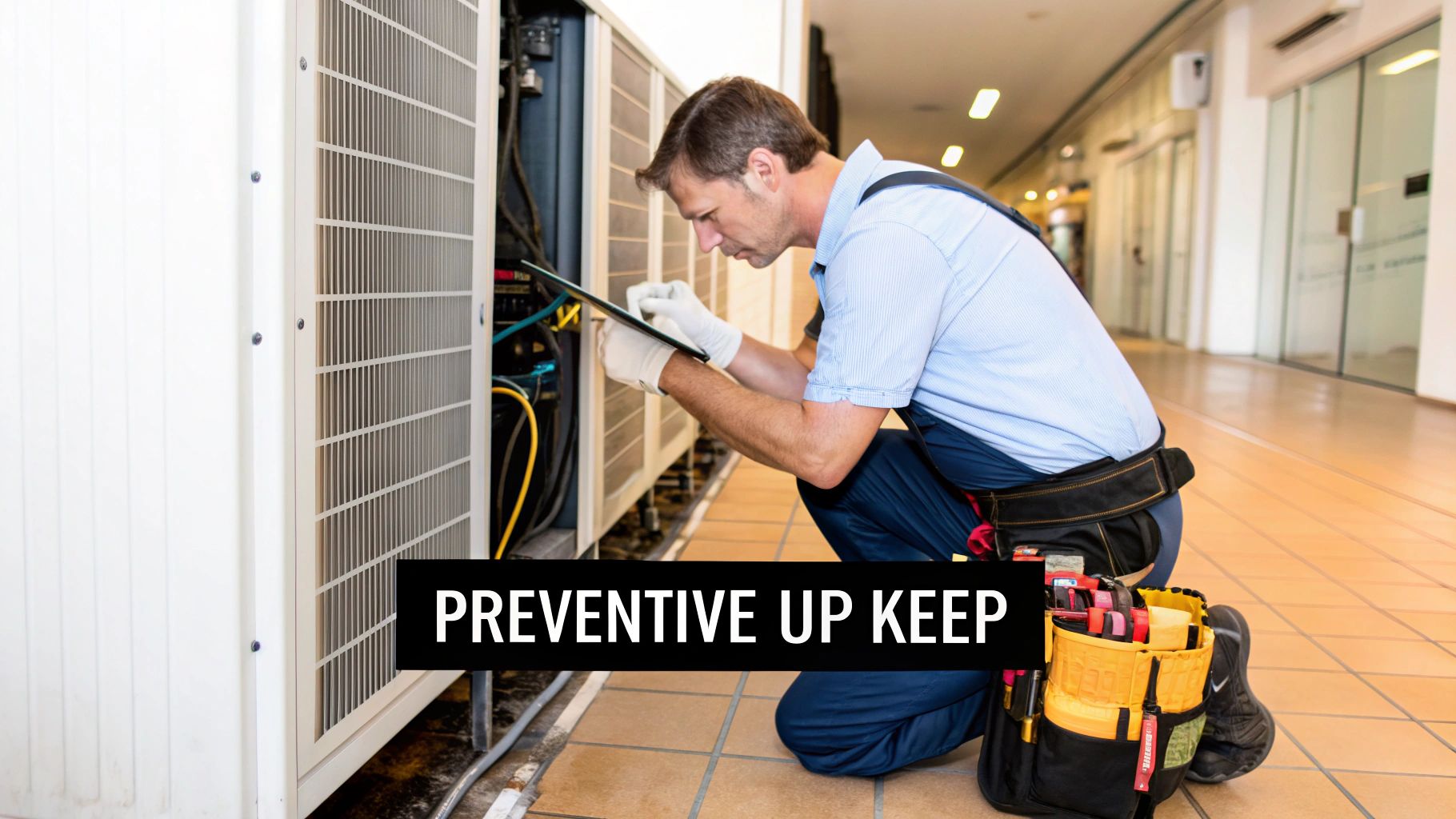
This strategy directly impacts tenant satisfaction by minimizing disruptions and demonstrating a commitment to quality. Addressing a small leak before it becomes a major flood or replacing an aging appliance before it fails saves you money in the long run and builds significant goodwill. It transforms the property from a simple rental unit into a well-cared-for home.
How to Implement Proactive Maintenance
Leading property management firms like Equity Residential and Camden Property Trust have built their reputations on stellar maintenance programs, often using technology to guarantee rapid response times. However, the core principles can be applied by any landlord to foster a positive living experience and secure long-term tenants.
Establish a Preventive Maintenance Schedule: Create a calendar for routine checks on HVAC systems, plumbing, smoke detectors, and building exteriors. This prevents surprise failures and costly emergency repairs.
Respond to Requests Promptly: Acknowledge all maintenance requests within 24 hours and aim to resolve them within 48 hours. Quick, professional service is one of the most valued aspects of a rental experience. You can learn more about managing property maintenance on MyPropertyManaged.com.
Invest in Quality and Upgrades: When making repairs, use durable materials. Consider strategic upgrades between tenancies, like smart thermostats or keyless entry systems, which can attract and retain tech-savvy renters.
Gather Tenant Feedback: Periodically survey tenants to ask about their satisfaction with maintenance services. This can help identify recurring issues or areas for improvement within your process.
3. Exceptional Customer Service and Communication
Beyond physical amenities and pricing, the quality of interaction a tenant has with their landlord or property manager is a powerful factor in their decision to stay or leave. Exceptional customer service is a core tenant retention strategy that transforms the landlord-tenant dynamic from a simple transaction into a positive, professional relationship. It involves being responsive, empathetic, and proactive, ensuring tenants feel heard, respected, and valued throughout their entire lease term.

This approach recognizes that a tenant’s home is their sanctuary, and any issues that arise are significant to them. Promptly and professionally addressing concerns, from a simple question to an urgent maintenance request, builds immense goodwill and trust. This positive experience becomes a compelling reason for a tenant to renew their lease, even if they could find a slightly cheaper option elsewhere.
How to Implement Exceptional Service
Industry leaders like Bozzuto build their brand on a hospitality-driven service model, training all staff in customer service best practices. This principle is scalable for any landlord aiming to foster loyalty and reduce turnover. For those looking to elevate their service standards, this is a crucial area to invest in. If you're considering professional assistance, a guide to hiring a property manager with strong service skills can provide valuable insights.
Establish Clear Communication Protocols: Set and communicate expected response times for emails, calls, and maintenance requests. For example, commit to acknowledging all non-emergency inquiries within 24 business hours.
Leverage Technology: Use tenant portals or communication apps like TenantCloud or AppFolio to streamline requests, send community updates, and document interactions. This creates an efficient and organized communication channel.
Train Your Team: Ensure anyone who interacts with tenants, from leasing agents to maintenance staff, is trained in professional communication and conflict resolution. A friendly and competent team is a major asset.
Follow Up on Issues: After a maintenance request is completed, a simple follow-up email or call to ensure the tenant is satisfied can make a huge difference. This small step shows you care about the quality of your service.
4. Tenant Appreciation Programs and Events
Beyond fair pricing and prompt maintenance, creating a genuine sense of community is a powerful tenant retention strategy. Thoughtful tenant appreciation programs and events transform a transactional landlord-tenant relationship into a more personal and positive connection. These initiatives show residents they are valued members of a community, not just occupants of a unit. This fosters loyalty and makes them less likely to leave for a marginal cost saving elsewhere.

The goal is to build positive associations with the property itself. When tenants feel connected to their neighbors and management, their overall satisfaction skyrockets. This proactive approach to engagement helps mitigate minor frustrations and builds a well of goodwill that pays dividends in lease renewals and positive word-of-mouth referrals. For further ideas on fostering this positive environment, you can learn more about how to attract and retain quality tenants on mypropertymanaged.com.
How to Implement Tenant Appreciation
Major property management companies like UDR Inc. and MAA excel at building community through structured events, but property owners of any size can implement these effective strategies. The key is consistency and demonstrating genuine care for your residents' experience.
Survey Tenant Interests: Before planning, send a simple survey asking what kinds of events or perks tenants would most enjoy. This ensures your efforts align with their preferences, whether it's a quiet morning coffee bar or a lively weekend BBQ.
Start with Low-Cost Initiatives: You don't need a large budget to start. Simple gestures like a "Grab-and-Go" breakfast in the lobby, a seasonal decorating contest, or a designated "pet of the month" on a community bulletin board can be highly effective.
Partner with Local Businesses: Forge relationships with nearby cafes, gyms, and shops to offer exclusive discounts to your residents. This adds value at no direct cost to you and supports the local neighborhood.
Create an Annual Calendar: Plan a mix of small and large events throughout the year. A predictable calendar with events like a summer pool party, a fall food truck night, and a holiday gift-wrapping station gives tenants things to look forward to and reinforces the community atmosphere.
5. Flexible Lease Terms and Renewal Incentives
In today's dynamic rental market, a one-size-fits-all approach to leases can be a significant barrier to retention. One of the most forward-thinking tenant retention strategies is to offer flexible lease terms and attractive renewal incentives. This approach acknowledges that tenants' lives change, and providing options that accommodate their evolving needs builds immense goodwill. It transforms the lease renewal process from a rigid deadline into a collaborative conversation, making tenants feel supported rather than trapped.
This strategy is about proactively addressing potential reasons for a tenant to leave, such as a job relocation, a change in financial status, or the desire for a shorter-term commitment. By offering alternatives to the standard 12-month lease, you can often retain a great tenant who might otherwise have no choice but to move. The flexibility you offer becomes a premium amenity that sets your property apart from the competition.
How to Implement Flexible Terms
Leading real estate investment trusts (REITs) like Essex Property Trust and AvalonBay Communities have mastered this by offering varied lease durations to cater to diverse resident needs, from corporate relocations to students. The key is to see flexibility not as a cost, but as a powerful tool to minimize costly vacancies.
Offer Tiered Lease Options: Provide multiple lease lengths at different price points. For example, a 15-month lease might come with a slightly lower monthly rate than a standard 12-month lease, while a 6-month or month-to-month option carries a premium.
Create Early Renewal Bonuses: Proactively reach out to tenants 90 days before their lease expires. Offer a tangible incentive for renewing early, such as a rent credit, a professional apartment cleaning, or an upgrade to a smart home device.
Be Open to Customization: For long-term, reliable tenants, consider non-standard arrangements. This could mean allowing a move to a different unit within the building or offering a month-to-month extension at a reasonable rate while they finalize home-buying plans.
Market Your Flexibility: Don't keep your flexible options a secret. Highlight them in your property listings and during tours. This proactive communication attracts tenants who value stability and partnership in their housing arrangements.
6. Community Building and Amenity Enhancement
Transforming a rental property from mere housing into a vibrant community is a powerful tenant retention strategy. This approach focuses on creating a strong sense of belonging among residents through shared spaces and activities, while continuously improving the amenities that enrich their daily lives. When tenants feel connected to their neighbors and their environment, they develop an emotional investment in their home that a simple rent special elsewhere cannot replace. This fosters a stable, positive atmosphere that residents are reluctant to leave.
The core idea is to treat the property as a lifestyle destination. This strategy shifts the value proposition from just a physical apartment to a complete living experience. By investing in amenities and programming that tenants genuinely use and enjoy, you differentiate your property in a competitive market and justify premium rental rates. It’s a proactive investment in satisfaction that pays dividends in long-term occupancy.
How to Implement Community and Amenity Strategies
Leading developers like The Related Companies and AvalonBay Communities have mastered this by offering luxury amenity packages and wellness-focused facilities, but the principles can be scaled for any property size. The focus is on creating value that extends beyond the four walls of an apartment.
Survey Tenants on Desired Amenities: Before investing in upgrades, ask your residents what they want. You might find a high demand for a co-working space, EV charging stations, or a modern package locker system over a less-desired amenity.
Create Programming Around Amenities: An underused amenity is a wasted investment. Host events to encourage engagement, such as a "yappy hour" at the dog park, a fitness class in the gym, or a movie night in the common lounge.
Focus on High-Impact, Low-Cost Enhancements: You don't need a complete overhaul. Simple additions like a community herb garden, upgraded outdoor grills, or a partnership with a local coffee shop for resident discounts can significantly boost appeal.
Foster Digital and Physical Communities: Create a private social media group or resident portal for easy communication. This space can be used to announce events, share local recommendations, and help tenants connect with one another.
7. Technology Integration and Smart Building Features
In an increasingly connected world, modern tenants expect their homes to be as smart and efficient as their devices. Integrating technology and smart building features is no longer a luxury but a powerful tenant retention strategy. These upgrades enhance convenience, security, and the overall living experience, making a property significantly more attractive and harder to leave. From digital rent payments to smart thermostats, technology streamlines daily life and shows residents you are invested in providing a modern, high-quality environment.
This strategy is about future-proofing your investment while meeting current demands. Offering tech amenities that tenants use daily creates a sense of indispensability. The convenience of a keyless entry system or the energy savings from a smart thermostat becomes a core part of their living experience. When renewal time comes, the thought of giving up these integrated comforts can be a strong motivator to stay.
How to Implement Technology Upgrades
Leading property management firms like Equity Residential have set a high bar with comprehensive resident mobile apps, but impactful tech is accessible at any scale. The key is to start with features that offer the most value to tenants.
Prioritize Foundational Tech: Before anything else, ensure you offer robust, high-speed internet. This is a non-negotiable utility for most renters today and the backbone for all other smart features.
Introduce High-Impact Basics: Start with widely desired amenities like online rent payment portals, digital maintenance requests, and smart thermostats. Keyless entry systems from providers like Latch also offer huge gains in convenience and security.
Offer Tech Support: Not all tenants are tech-savvy. Provide clear instructions, tutorials, or a point of contact for troubleshooting. This ensures the technology is a help, not a frustration.
Choose Scalable Solutions: Select platforms and hardware that can grow with your property or portfolio. Solutions from companies like SmartRent are designed to be modular, allowing you to add new features over time without replacing the entire system.
8. Personalized Tenant Relationship Management
Moving beyond a one-size-fits-all approach, personalized tenant relationship management treats residents as unique individuals rather than just unit numbers. This strategy, borrowed from the hospitality and customer service industries, involves using data and personal interactions to understand and cater to individual tenant needs, preferences, and circumstances. By demonstrating that you see and value them personally, you build a powerful sense of loyalty that standardized communication simply cannot replicate.
This method is one of the more advanced tenant retention strategies, shifting the dynamic from a transactional relationship to a relational one. A tenant who feels personally understood and respected is far more likely to overlook minor inconveniences and feel a stronger connection to their home and community, making them hesitant to leave when their lease is up for renewal.
How to Implement Personalized Management
Leading luxury property management firms and boutique operators excel at this by using CRM (Customer Relationship Management) systems to track detailed tenant information. This allows them to offer concierge-style services and create a highly customized living experience.
Utilize a Tenant CRM: Invest in property management software with robust tenant profiles. Document key details beyond contact info, such as pet names, birthdays, preferred communication methods, or even a note about their positive feedback on the new landscaping.
Create Tenant Journey Maps: Identify and map out key touchpoints in a tenant's lifecycle, from initial inquiry to move-out. At each point, consider how you can add a personalized touch. For example, a welcome note mentioning their new job in the area or a small gift on their one-year anniversary.
Remember Important Dates: A simple automated email or a handwritten card for a tenant's birthday or lease anniversary can have a significant impact. These small gestures show you care about them as a person.
Train Your Team: Empower your staff to listen for and record personal details. If a tenant mentions they're a student with upcoming exams, a simple "good luck" message can go a long way. This builds a culture of proactive, personalized service.
Tenant Retention Strategies Comparison
Strategy | Implementation Complexity 🔄 | Resource Requirements ⚡ | Expected Outcomes 📊 | Ideal Use Cases 💡 | Key Advantages ⭐ |
|---|---|---|---|---|---|
Competitive and Fair Rent Pricing | Medium - requires ongoing market research | Moderate - data analytics and market surveys | Stable cash flow, reduced tenant turnover | Markets needing fair pricing balance | Builds trust, attracts quality tenants, steady occupancy |
Proactive Property Maintenance | High - scheduled programs and inspections | High - maintenance staff, contractors | Increased tenant satisfaction, lower emergency costs | Properties focused on long-term value and tenant care | Prevents costly repairs, enhances property value |
Exceptional Customer Service | High - multi-channel communication setup | High - trained staff, ongoing management | Strong relationships, higher tenant loyalty | Large portfolios aiming for tenant retention | Reduces conflicts, generates positive referrals |
Tenant Appreciation Programs | Medium - event planning and coordination | Medium - budget for events and rewards | Community building, increased lease renewals | Properties focused on community and tenant engagement | Enhances emotional connection, promotes goodwill |
Flexible Lease Terms & Incentives | Medium-High - complex lease administration | Moderate - lease management systems | Longer tenancies, reduced vacancies | Diverse tenant needs, corporate or transient markets | Accommodates needs, competitive market advantage |
Community Building & Amenities | High - facility development and management | High - investment in amenities and upkeep | Emotional attachment, justifies premium rents | Lifestyle-oriented properties | Differentiates property, encourages tenant interaction |
Technology Integration & Smart Features | High - tech installation and maintenance | High - upfront IT investment and support | Improved efficiency, tenant convenience | Tech-savvy tenant markets | Operational efficiency, enhanced security, data insights |
Personalized Tenant Relationship Mgmt | High - data systems and profile management | High - CRM software and staff training | Increased satisfaction, proactive retention | Boutique or luxury properties | Strong individual relationships, customized services |
Turn Your Properties into Homes Tenants Won't Want to Leave
Boosting tenant retention is not a one-time fix; it's a strategic commitment woven into the very fabric of your property management philosophy. The strategies detailed throughout this article, from Competitive and Fair Rent Pricing to Personalized Tenant Relationship Management, are not isolated tactics. Instead, they are interconnected pillars that support a single, powerful goal: transforming your rental property from a temporary living space into a genuine home that residents are reluctant to leave.
The journey to exceptional tenant retention begins by moving beyond a transactional mindset. It’s about recognizing that a signed lease is the start of a relationship, not the end of a deal. This shift in perspective is what fuels the most effective tenant retention strategies. When you prioritize proactive maintenance, you’re not just fixing a leaky faucet; you’re showing your tenants that their comfort and safety matter. When you foster a sense of community, you’re not just hosting an event; you’re creating an environment where neighbors become friends and buildings feel like neighborhoods.
The Cumulative Impact of Consistent Effort
Individually, each strategy holds value. However, their true power is unlocked when they are implemented in unison.
Proactive Maintenance builds trust.
Exceptional Communication reinforces it.
Flexible Lease Terms and Renewal Incentives reward loyalty.
Community Building creates emotional investment.
This holistic approach creates a tenant experience that competitors simply cannot replicate with a rent discount alone. It’s the feeling of being heard, valued, and respected that ultimately convinces a tenant to renew their lease year after year. The cumulative effect is a powerful moat around your investment, protecting it from the high costs and uncertainties of constant tenant turnover.
Your Action Plan for Higher Retention
Mastering these concepts is the key to creating a stable, profitable, and reputable rental portfolio. Your next step is to assess your current operations against the strategies discussed.
Audit Your Communication: Are you responsive? Do you offer multiple channels for contact?
Evaluate Your Maintenance Protocol: Is it reactive or proactive? How quickly are requests resolved?
Review Your Renewal Process: Do you offer compelling incentives well in advance of the lease-end date?
Gauge Community Sentiment: Do your tenants feel connected to their environment and to you?
By consistently applying these principles, you do more than just fill vacancies; you build a brand known for quality and care. This reputation becomes your most valuable asset, attracting high-quality tenants and making retention an organic outcome of excellent management. The financial benefits of reduced turnover, marketing expenses, and vacancy loss are substantial, providing a clear and compelling return on your investment in these tenant retention strategies.
Implementing a comprehensive retention plan requires time, expertise, and consistent effort. If you’re ready to transform your properties and maximize your returns without the day-to-day stress, let Keshman Property Management put these proven strategies to work for you. With over two decades of experience, we specialize in creating exceptional tenant experiences that drive renewals and protect your investment. Visit Keshman Property Management to learn how our expert team can help you achieve your property management goals.


Comments