
10 Critical Things to Look for When Inspecting a Home in 2026
- Sarah Porter

- Jan 12
- 21 min read
Updated: Jan 28
For a rental property owner, an inspection is more than just a formality; it's the cornerstone of a profitable investment and a key risk management tool. Unlike a standard homebuyer's inspection, which focuses on immediate livability, an investor's walkthrough must assess long-term durability, tenant safety, and the total cost of ownership. Overlooking a critical detail can mean the difference between positive cash flow and a money pit plagued by emergency repairs and tenant disputes. This comprehensive guide outlines the top 10 things to look for when inspecting a home, specifically tailored for landlords and property managers who need to protect their assets.
Before diving into specific checks, clearly understanding what is a home inspection and its purpose will lay a solid foundation for your landlord's blueprint. The process goes beyond a simple visual check; it requires a strategic eye for potential liabilities that could erode your returns over time. An investor must think like a tenant, a maintenance professional, and a business owner all at once, identifying not just current problems but also forecasting future expenses.
We will delve into the specific signs of trouble that impact rental viability, from foundational integrity and roof condition to the remaining lifespan of major systems like HVAC and plumbing. This list provides an actionable blueprint to evaluate any potential investment with confidence. By systematically working through these crucial checkpoints, you can accurately assess a property's true condition, negotiate more effectively, and build a portfolio that stands on solid ground. You'll learn how to spot costly red flags that others might miss, ensuring your next investment is a secure and profitable one from day one.
1. Structural Integrity and Foundation Assessment
The absolute bedrock of any sound property investment is, quite literally, its foundation. A thorough structural integrity and foundation assessment is the most critical item on your inspection checklist because it evaluates the home's core stability. Overlooking this step can lead to catastrophic repair costs that decimate your return on investment and create significant safety liabilities. This evaluation focuses on the foundation, basement, crawl space, and any visible framing, searching for signs of stress, decay, or movement that could compromise the entire structure.
Key Areas of Focus
When evaluating a property's structural health, you are looking for specific red flags that indicate underlying problems. These issues often manifest in subtle ways before becoming major failures.
Foundation Cracks: Pay close attention to the type and direction of cracks. Small, vertical hairline cracks are often due to normal concrete curing. However, diagonal or "stair-step" cracks in brick or block foundations, especially those wider than a quarter-inch, signal serious settlement or movement.
Water Intrusion and Drainage: Check basement walls and floors for water stains, efflorescence (a white, chalky powder), or active leaks. Poor exterior grading that slopes toward the house is a primary cause of foundation water issues.
Settlement and Shifting: Uneven floors, doors that stick or don't latch properly, and windows that are difficult to open can all be symptoms of a shifting foundation. Look for gaps between the foundation and the sill plate where the house framing begins.
Investor Insight: A compromised foundation not only affects the property's market value but can also lead to higher insurance premiums or even denial of coverage. Addressing these issues early protects your asset's long-term viability and ensures tenant safety.
Actionable Inspection Tips
To make your assessment more effective, integrate these practical steps into your process:
Bring the Right Tools: Use a moisture meter to detect hidden dampness in basement drywall or flooring. A simple marble or ball can help identify uneven or sloping floors.
Document Everything: Take clear, well-lit photographs of any cracks, water damage, or structural anomalies. This documentation is vital for repair negotiations, insurance claims, and tenant communications.
Know When to Escalate: While your initial inspection is crucial, some signs demand an expert opinion. If you find significant cracking, bowing walls, or major settlement issues, it's time to call a professional. For guidance on selecting the right expert, you can learn more about hiring a rental property inspector. A licensed structural engineer can provide a definitive assessment and recommend a course of action, ensuring you make an informed investment decision.
2. Roof Condition and Remaining Lifespan
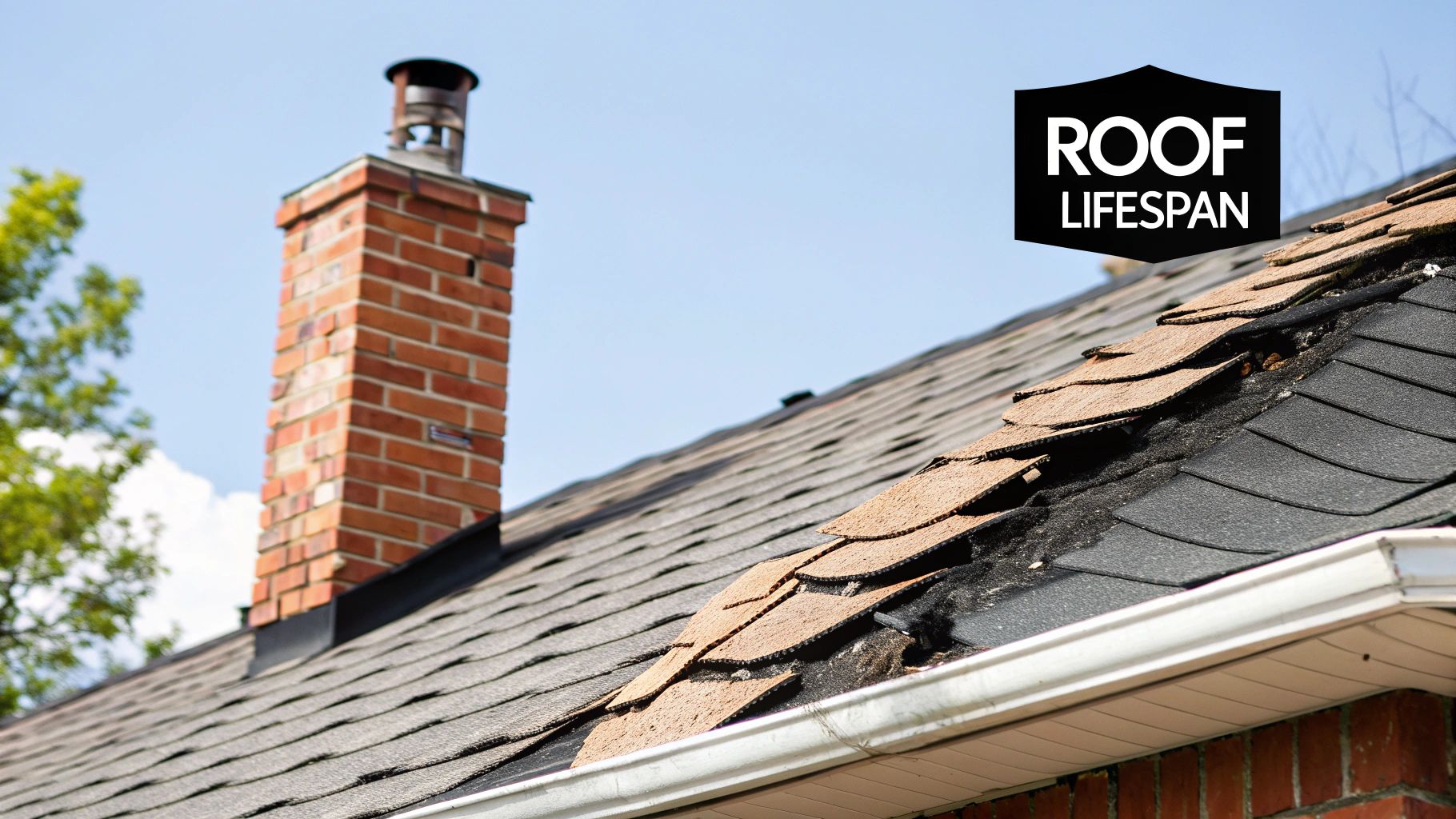
The roof is a property's first line of defense against the elements, making its condition a paramount concern for any investor. A comprehensive evaluation of its overall health, including shingles, flashing, and gutters, is crucial because roof replacement is one of the most significant capital expenditures a property owner will face. Properly assessing the roof's age and remaining useful life allows you to accurately budget for future costs and prevent catastrophic leaks that can lead to extensive interior damage, dissatisfied tenants, and unforeseen expenses.
Key Areas of Focus
When inspecting the roof, you're looking for indicators of age, wear, and potential failure points. These signs can help you gauge how soon a costly replacement might be needed and are key things to look for when inspecting a home.
Shingle Condition: Look for curled, cracked, or missing shingles. Pay attention to granules collecting in the gutters, as this indicates the shingles are losing their protective layer and nearing the end of their life.
Flashing and Seals: Inspect the metal flashing around chimneys, vents, and skylights. Damaged, rusted, or improperly sealed flashing is a common source of leaks that can cause significant damage to the attic and ceilings below.
Moisture Indicators: Check for dark streaks, moss, or algae growth on the roof's surface, which can signal moisture retention issues. Inside, inspect the attic's underside of the roof decking for water stains or signs of active leaks.
Investor Insight: An aging roof can significantly impact your ability to secure or maintain property insurance. Many carriers will not insure a home with a roof over a certain age (often 15-20 years) or may charge substantially higher premiums, directly affecting your cash flow.
Actionable Inspection Tips
A systematic approach to your roof inspection will yield the most accurate results and protect your investment.
Gather Documentation: Ask the seller for any records related to the roof, such as its installation date or warranty information. This helps establish a clear timeline for its remaining lifespan.
Use Visual Aids: If you cannot safely access the roof, use a pair of binoculars to get a closer look from the ground. Document any visible damage with clear photos from various angles.
Plan for Replacement: If a roof is over 15 years old, proactively start budgeting for a replacement. Getting quotes and planning the project 6-12 months in advance can help you manage the financial impact and avoid the premium costs of an emergency repair. When major defects are found, it's wise to consult a qualified roofing professional for a detailed assessment and cost estimate before finalizing your purchase.
3. Plumbing Systems and Water Damage
Often hidden behind walls and under floors, the plumbing system is a property's circulatory system. A comprehensive assessment of all water supply, drainage, and sewage systems is non-negotiable, as even minor issues can escalate into catastrophic water damage, mold infestations, and costly emergency repairs. For rental property owners, a failing plumbing system is a direct path to tenant disputes, property damage, and significant liabilities. This inspection focuses on identifying active leaks, potential failures in fixtures and pipes, and evidence of past water intrusion.
Key Areas of Focus
When inspecting the plumbing, you are hunting for both current problems and the telltale signs of future ones. These indicators are crucial things to look for when inspecting a home, as they often precede major system failures.
Leaks and Water Stains: Check under every sink, around the base of toilets, and near appliance hookups for discoloration, soft materials, or active drips. Water stains on ceilings or walls are a major red flag for hidden leaks from pipes or fixtures above.
Pipe Condition and Material: Visibly inspect accessible pipes in basements, crawl spaces, and utility closets. Look for signs of corrosion (common in older galvanized or cast iron pipes), mineral deposits on joints, or makeshift repairs that suggest a history of problems.
Water Pressure and Drainage: Low water pressure can indicate mineral buildup, corrosion, or a hidden leak in the supply line. Conversely, slow drains often point to clogs or more serious issues in the main sewer line, which can lead to backups.
Investor Insight: Proactively identifying a water heater nearing the end of its 8-12 year lifespan or catching a slow toilet leak can save you thousands. These preventative measures avoid emergency replacement costs, prevent water waste that inflates utility bills, and demonstrate your commitment to maintaining a safe, functional property.
Actionable Inspection Tips
A methodical approach will help you uncover issues that a quick glance might miss. Integrate these steps into your property walkthrough:
Conduct a Pressure Test: Turn on all faucets and showers simultaneously to see if there is a significant drop in water pressure. This tests the system's ability to handle peak demand.
Listen for "Phantom" Water: With all fixtures and appliances off, listen carefully for the sound of running water. If you hear it, there is almost certainly a hidden leak somewhere in the system.
Document and Escalate: Use a moisture meter on any suspicious stains to confirm the presence of moisture. Photograph all signs of leaks, corrosion, or damage. Understanding your obligations is key; you can learn more about landlord repair responsibilities here. If you suspect a major issue like a main drain clog or a slab leak, hiring a licensed plumber for a camera scope inspection is a wise investment before closing the deal.
4. Electrical Systems and Safety Compliance
An outdated or faulty electrical system is one of the most significant liabilities in a rental property, posing serious fire and electrocution risks. A detailed evaluation of the electrical panel, wiring, and outlets is non-negotiable for ensuring tenant safety, maintaining insurance eligibility, and complying with legal standards. This assessment focuses on identifying hazards from aging components, improper modifications, and insufficient capacity for modern electrical loads, all of which are common in older homes.
Key Areas of Focus
When inspecting the electrical system, you are looking for specific indicators of risk and non-compliance that could endanger tenants and your investment. These issues range from minor code violations to critical fire hazards.
Panel and Wiring Condition: Inspect the main electrical panel for signs of overheating, such as scorch marks, melted wires, or a burning smell. Look for outdated components like fuse boxes or knob-and-tube wiring. Identifying aluminum wiring (dull gray instead of copper) is a major red flag, as it is a known fire hazard.
Outlet and Switch Functionality: Check for outlets that are loose, cracked, or show signs of scorching. A lack of Ground Fault Circuit Interrupter (GFCI) outlets in required areas like bathrooms, kitchens, garages, and exteriors is a common safety deficiency.
System Capacity: An undersized electrical panel (less than 100 amps for a typical single-family home) may not be sufficient for modern appliances, leading to frequently tripped breakers and potential overloads. Any signs of an aging or faulty switchboard during the inspection warrant investigating potential switchboard repairs and upgrades.
Investor Insight: Electrical code violations can not only lead to fines but may also give an insurer grounds to deny a claim in the event of a fire. Proactively ensuring the system is safe and up to code is a critical risk management strategy for any landlord.
Actionable Inspection Tips
To conduct a more thorough electrical review, incorporate these practical steps into your property walkthrough:
Use an Outlet Tester: This inexpensive tool quickly identifies common wiring problems like reversed polarity, open grounds, or faulty connections at each outlet.
Assess the Service Panel: Photograph the panel's interior and circuit labels. Note the main breaker's amperage to confirm capacity and look for any double-tapped breakers, a common amateur wiring mistake.
Know When to Escalate: Your visual inspection serves as an initial screening. If you find aluminum wiring, a Federal Pacific or Zinsco panel (known for high failure rates), or any evidence of scorching or amateur work, immediately hire a licensed electrician for a comprehensive safety inspection. Their professional report is essential for negotiating repairs and certifying the property is safe for occupancy.
5. HVAC System Functionality and Maintenance History
A property's heating, ventilation, and air conditioning (HVAC) system is the engine of tenant comfort and a major operational expense. A thorough evaluation of its functionality and maintenance history is essential, as these systems are among the most expensive components to replace. Overlooking potential HVAC issues can lead to emergency repair calls, tenant dissatisfaction, and significant, unplanned capital expenditures that can derail your budget. This assessment focuses on the system's age, operational status, efficiency, and visible signs of wear and tear.
Key Areas of Focus
When inspecting a home's HVAC system, you are searching for indicators of its current health and estimating its remaining useful life. Catching problems early prevents costly failures and ensures a comfortable living environment for tenants.
System Age and Lifespan: Locate the manufacturer's label on the furnace, air handler, and outdoor condenser unit to determine their age. Most furnaces and air conditioners have a typical lifespan of 15 to 20 years. A system approaching this age is a significant financial risk.
Operational Performance: Test both the heating and cooling functions, regardless of the season. Listen for unusual noises like grinding, squealing, or loud banging, which often signal mechanical problems. Check the airflow and temperature coming from the vents to ensure it is strong and appropriate.
Maintenance and Condition: Look for signs of neglect, such as excessively dirty air filters, which restrict airflow and strain the system. Inspect the outdoor condenser unit for rust, corrosion, or physical damage. Check for any visible refrigerant or water leaks around the indoor and outdoor units.
Investor Insight: Proactively budgeting for an HVAC replacement based on its age is a hallmark of a savvy investor. Offering a property with a new or well-maintained system can be a major selling point for attracting and retaining high-quality tenants, justifying higher rent.
Actionable Inspection Tips
To conduct a more effective HVAC assessment, incorporate these practical steps into your inspection routine:
Check the Thermostat: Verify that the thermostat is functioning correctly, accurately reads the room temperature, and properly communicates with the HVAC system when you adjust the settings.
Document Key Information: Photograph the manufacturer's labels on all major components to record the model, serial number, and manufacturing date. Note the condition of the air filter and when it was last changed.
Know When to Escalate: While your initial check is vital, certain symptoms warrant a professional diagnosis. If the system fails to heat or cool effectively, makes alarming noises, or shows signs of major leaks, it's time to hire a licensed HVAC technician. They can perform a comprehensive diagnostic, identify refrigerant leaks, assess internal components, and provide an accurate estimate of the system's remaining life and potential repair costs.
6. Interior Walls, Ceilings, and Signs of Water Damage or Mold
Beyond simple cosmetics, the condition of a home's interior surfaces provides a crucial narrative about its overall health. A thorough inspection of walls and ceilings is essential for uncovering hidden moisture issues, which can lead to hazardous mold growth, structural decay, and significant liability for rental property owners. Identifying and addressing water intrusion early is a non-negotiable step in protecting tenant safety, preserving the property's value, and avoiding costly remediation down the line.
Key Areas of Focus
When evaluating interior surfaces, you are searching for the tell-tale signs of moisture that precede major problems. These indicators are often subtle and can be easily concealed by a fresh coat of paint if you aren't looking closely.
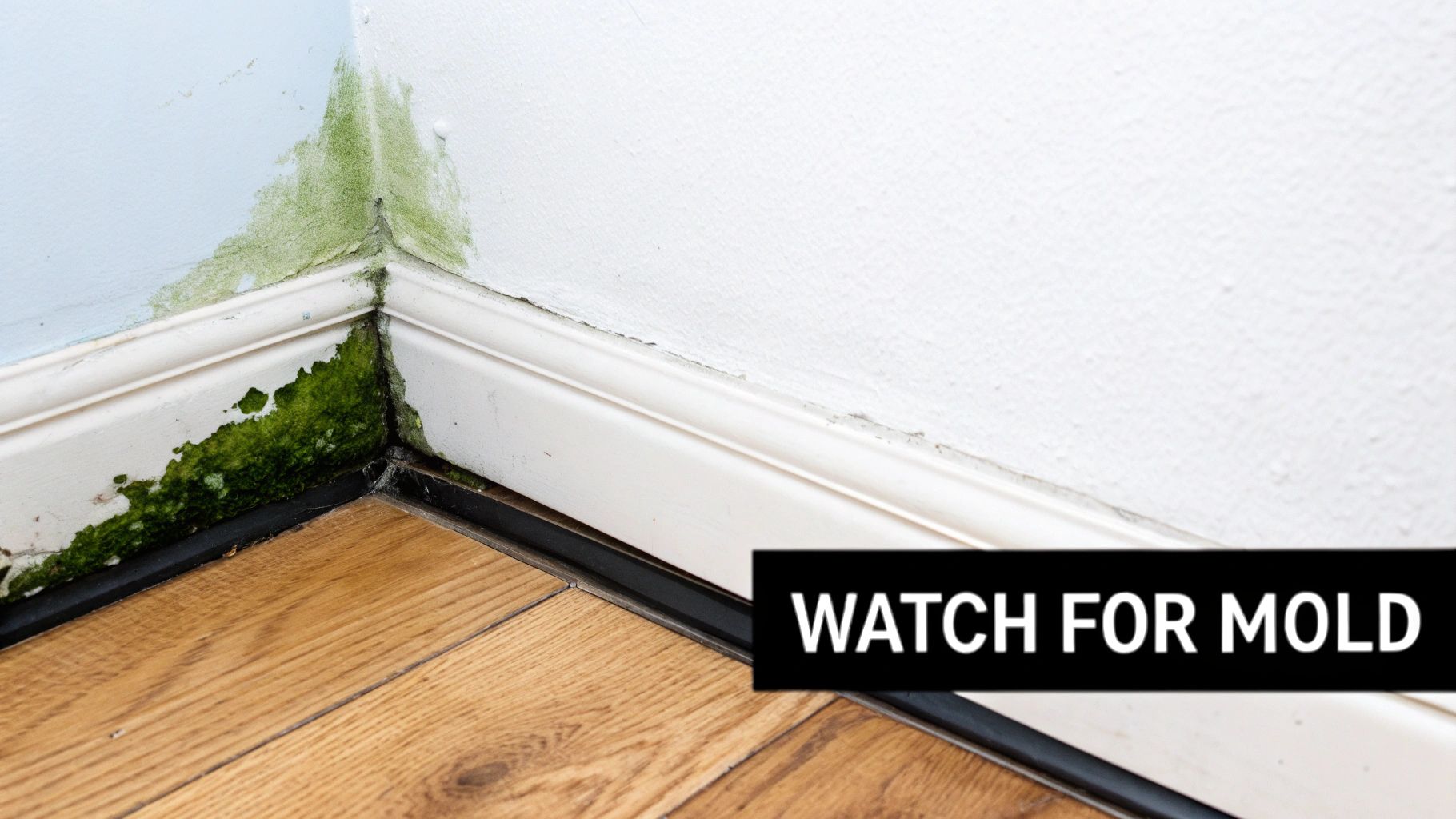
Water Stains and Discoloration: Look for yellowish or brown stains on ceilings and at the top or bottom of walls. A ceiling stain often points to a roof or plumbing leak from an upper floor, while stains near the baseboard may indicate a foundation or grading issue.
Surface Texture Changes: Pay close attention to peeling, bubbling, or cracking paint, as these are classic signs that moisture is present behind the surface. Drywall that feels soft or spongy to the touch or appears wavy is a major red flag for hidden water damage.
Visible Mold and Musty Odors: Check corners, behind furniture, and in areas with poor airflow like bathrooms and basements for visible mold growth, which can appear as black, green, or white spots. A persistent musty smell is a strong indicator of mold, even if it is not immediately visible.
Investor Insight: Undisclosed mold and water damage can lead to serious legal complications, including tenant lawsuits and health claims. Proactive identification and professional remediation are essential for mitigating liability and ensuring a safe, habitable environment.
Actionable Inspection Tips
To conduct a comprehensive interior assessment, integrate these practical steps into your walkthrough:
Use a Moisture Meter: This tool provides definitive proof of moisture content in walls and ceilings, even when there are no visible signs. Test areas around windows, below bathrooms, and any spots that look suspicious.
Document All Findings: Take clear, detailed photos of any stains, peeling paint, or visible mold. This evidence is crucial for repair negotiations and creating a remediation plan. For a complete guide, you can download this essential property inspection checklist template.
Investigate Odors: If you smell a musty odor, try to pinpoint its source. Check closets, under sinks, and in crawl spaces. Don't assume a lack of visible mold means there isn't a problem hiding behind the walls.
7. Windows, Doors, and Weatherproofing
A property’s windows, doors, and overall weatherproofing are crucial components that directly impact energy efficiency, security, and tenant comfort. This part of the inspection evaluates the condition of all entry points, ensuring they function correctly and protect the home from the elements. Overlooking these details can lead to high utility bills for tenants, water intrusion that causes rot and mold, and significant security vulnerabilities that create liability for the owner.
Key Areas of Focus
When assessing windows, doors, and weatherproofing, you are looking for signs of failure that can compromise the building's envelope. These issues range from minor annoyances to major security and structural risks.
Seal Integrity and Functionality: Check for drafts, moisture between double-paned windows (a sign of a broken seal), and deteriorating weatherstripping. Each window and door should open, close, and lock smoothly without excessive force.
Frame and Glass Condition: Inspect window frames and door jambs for signs of rot, decay, or physical damage. Look for cracked or chipped glass panes, which are both a safety hazard and an immediate security risk.
Water Intrusion Evidence: Carefully examine the areas around all window and door frames, both inside and out. Water stains on interior walls or soft, rotted wood on exterior trim are clear indicators that caulking and seals have failed, allowing moisture to penetrate.
Investor Insight: Functional and well-sealed windows and doors are a major selling point for prospective tenants. Highlighting energy efficiency can justify higher rent, while ensuring all locks work properly demonstrates a commitment to tenant safety, reducing turnover.
Actionable Inspection Tips
To conduct a thorough assessment, adopt a systematic approach for every opening in the home:
Test Every Unit: Physically open, close, and lock every single window and door. This is the only way to confirm proper operation and identify issues like sticking frames or broken locking mechanisms.
Perform a Visual and Tactile Check: Run your hand along the edges of windows and doors to feel for drafts. Visually inspect all weatherstripping and caulking for brittleness, cracks, or gaps where it has pulled away from the frame.
Document and Prioritize: Take clear photos of any damage, such as foggy double-pane windows, rotted door thresholds, or broken locks. This documentation is essential for creating a repair list and communicating needs to tenants or contractors. Prioritize security issues like broken locks for immediate repair before a tenant moves in.
8. Appliances and Their Condition/Functionality
Functional and reliable appliances are a cornerstone of tenant satisfaction and directly impact your property's appeal and operational budget. A thorough evaluation of all included appliances, from the kitchen to the laundry room, is a critical part of things to look for when inspecting a home. Neglecting this step can lead to unexpected capital expenses, disruptive emergency repairs, and negative tenant experiences that harm your reputation and retention rates. This assessment focuses on the age, condition, and operational status of each unit to forecast potential replacements and maintenance needs.
Key Areas of Focus
When inspecting appliances, your goal is to identify existing faults and predict future failures. These are often hidden beneath a clean exterior, requiring hands-on testing to uncover.
Age and Lifespan: Check the manufacturer's label inside each appliance for the model and serial number, which can often be used to determine its age. Most major appliances have a typical lifespan of 8 to 15 years; units approaching or exceeding this range are at high risk of failure.
Operational Faults: Simple operational tests are essential. A refrigerator with a weak compressor, a stove with a non-functional burner, or a dishwasher that doesn't drain properly are all common issues that must be addressed before a tenant moves in.
Cosmetic and Minor Damage: While cosmetic issues like dents or rust might not affect functionality immediately, they can indicate poor prior maintenance or advanced age. Look for signs of water staining or leaks around dishwashers, refrigerators, and washing machines, which point to more serious problems.
Investor Insight: Proactively replacing an aging appliance is often cheaper than dealing with an emergency call-out, potential property damage from leaks, and the cost of placating an unhappy tenant. A well-maintained appliance package is a key selling point for prospective renters.
Actionable Inspection Tips
To ensure a comprehensive and useful appliance assessment, incorporate these practical steps into your property walkthrough:
Bring the Right Tools: Carry a simple appliance thermometer to accurately check the temperatures in the refrigerator (should be 32-40°F) and freezer (around 0°F). A small flashlight will help you inspect labels and look for leaks in dark spaces.
Document Everything: Create a detailed log for each appliance, noting its make, model, serial number, and observed condition. Take photos of any damage, labels, and the appliance in operation. This documentation is crucial for your records and for the tenant move-in inspection report.
Know When to Escalate: If you suspect a major issue, such as a refrigerant leak in an AC unit or a gas leak from a stove, it's time to call a professional appliance repair technician. For guidance on managing property maintenance effectively, you can learn more about creating a rental property maintenance checklist. An expert diagnosis can prevent costly mistakes and ensure the appliance is safe and ready for tenant use.
9. Attic and Ventilation System Adequacy
Often overlooked, the attic is a critical component of a home's overall health, directly impacting energy efficiency, structural integrity, and air quality. A thorough evaluation of the attic and its ventilation system is one of the most important things to look for when inspecting a home. An inadequate system can lead to moisture buildup, mold growth, ice dams in colder climates, and significantly higher utility bills for your tenants. This inspection focuses on insulation levels, airflow, and any signs of water or pest intrusion.
Key Areas of Focus
A properly functioning attic acts as a buffer between the living space and the outside elements. Identifying issues here early can prevent costly, cascading problems throughout the property.
Insulation Levels: Check the depth and condition of the insulation. Inadequate insulation, such as finding only R-19 in a climate zone that requires R-38 or higher, results in major energy loss. Look for compressed, displaced, or missing insulation.
Ventilation Adequacy: Proper ventilation requires a balanced system of intake (soffit vents) and exhaust (ridge or gable vents). Blocked or insufficient vents trap hot, moist air, which can lead to mold on the underside of the roof sheathing and premature shingle failure.
Signs of Intrusion: Look for evidence of moisture, such as water stains, dark spots on the wood, or frost during winter. Also, check for signs of pests like rodent droppings, chewed wiring, or nesting materials in the insulation.
Investor Insight: A well-insulated and ventilated attic is a major selling point for energy-conscious tenants. It not only lowers their monthly utility costs but also prevents moisture-related health concerns like mold, making your property more attractive and reducing long-term maintenance liabilities.
Actionable Inspection Tips
To effectively assess the attic, you need to look for specific indicators of performance and potential failure:
Verify Ventilation Paths: Ensure soffit vents are not blocked by insulation and that there is a clear path for air to flow up to the ridge or gable vents. Check that all bathroom and kitchen exhaust fans are ducted to the exterior, not into the attic space.
Document and Measure: Use a tape measure to check insulation depth and compare it to local building code requirements for the appropriate R-value. Photograph any water stains, mold growth, or pest evidence for your records.
Look for Structural Clues: While in the attic, inspect the visible roof rafters and sheathing for any signs of cracking, sagging, or water damage. This provides a valuable internal perspective on the roof's condition that you can't get from the outside.
10. Floor Structure, Basement/Crawl Space Moisture, Drainage, and Flooding Risk
Often overlooked until a major problem arises, the combined health of your flooring and below-grade spaces is a direct indicator of potential long-term maintenance costs and tenant satisfaction. This comprehensive assessment evaluates everything from the surface flooring to the subfloor, basement, and exterior drainage. Ignoring signs of moisture intrusion or flooring decay can lead to expensive mold remediation, structural damage, and habitability issues that create significant liabilities for an investor.
Key Areas of Focus
When inspecting the floors and below-grade areas, you are searching for the interconnected signs of water damage, structural weakness, and poor environmental control. These issues often compound, turning a small leak into a major renovation project.
Flooring and Subfloor Condition: Look for soft spots, especially in bathrooms and kitchens, which signal subfloor water damage. Uneven or bouncy floors can indicate compromised joists or foundation settling, while worn carpeting or damaged tiles present immediate replacement costs and potential tripping hazards.
Basement and Crawl Space Moisture: The presence of musty odors, visible mold, or efflorescence (white, chalky deposits) on concrete walls points to a persistent moisture problem. Water stains on walls can reveal how high water has risen previously, indicating a significant flooding risk.
Exterior Drainage and Sump Pump Functionality: Poor exterior grading and downspouts that discharge too close to the foundation are primary culprits for water intrusion. A non-functional or absent sump pump in a high water table area is a disaster waiting to happen during heavy rainfall.
Investor Insight: Flooring and moisture issues are a leading cause of tenant complaints and disputes. Proactively addressing these problems before occupancy prevents costly repairs, protects your property's value, and ensures a safe, healthy living environment.
Actionable Inspection Tips
Integrate these practical steps to thoroughly evaluate flooring and moisture risks, which is one of the most critical things to look for when inspecting a home:
Use Your Senses: Walk every square foot of the property, feeling for soft spots, slopes, or excessive bounce. Pay attention to musty or damp smells, which are clear indicators of hidden moisture.
Inspect Exterior Water Management: Verify all downspouts extend at least 4-6 feet away from the foundation. Check that the ground slopes away from the house on all sides to direct water away from the structure.
Test and Document: Use a moisture meter on basement walls and floors near potential entry points. If a sump pump is present, test its function by pouring water into the pit to ensure it activates. Document all findings with clear photos for your records and negotiation purposes.
10-Point Home Inspection Comparison
Inspection Item | 🔄 Implementation Complexity | ⚡ Resource Requirements & Cost | 📊 Expected Outcomes | ⭐ Key Advantages | 💡 Ideal Use Cases |
|---|---|---|---|---|---|
Structural Integrity and Foundation Assessment | High — may require structural engineer and invasive probes | High — specialist fees; repairs $5,000–$100,000+; moisture meters, shoring | Reveals settlement, cracks, water intrusion; informs major capital planning | Prevents catastrophic failure; protects value and insurance eligibility | Initial due diligence, older homes, visible cracks or settlement |
Roof Condition and Remaining Lifespan | Medium — safe access or professional drone/roof inspection needed | Moderate–High — roofers; replacement $8,000–$25,000+; gutters/flashings | Identifies leaks, remaining life, ventilation issues; schedules replacements | Prevents water damage; improves tenant appeal and insurance terms | Pre-winter checks, pre-purchase, aging roofs (~15–25 yrs) |
Plumbing Systems and Water Damage | Medium — visual + functional tests; some issues need invasive locating | Moderate — plumbers, cameras, moisture meters; possible high pipe replacement costs | Detects leaks, pressure problems, aging water heater, drainage issues | Prevents water damage and mold; reduces emergency repairs and utility waste | After odors/leaks reported, before occupancy, older plumbing systems |
Electrical Systems and Safety Compliance | High — requires licensed electrician for full evaluation | Moderate–High — electrician, panel tests; upgrades $1,000–$5,000+ | Finds fire/electrocution risks, code noncompliance, inadequate capacity | Ensures tenant safety, code compliance, and insurance coverage | Older homes, signs of flicker/trips, when adding heavy loads |
HVAC System Functionality and Maintenance History | Medium — tech inspection and system run tests (season-dependent) | Moderate — HVAC tech, refrigerant checks; replacement $4,000–$15,000+ | Verifies operation, efficiency, remaining life, and filter/duct issues | Maintains comfort, lowers utility costs, reduces emergency service calls | Seasonal service, before lease start, aging equipment |
Interior Walls, Ceilings, and Signs of Water Damage or Mold | Medium — visual, moisture meter; lab testing if mold suspected | Low–Moderate — moisture meters; mold testing/remediation costly ($5,000+) | Identifies staining, mold, hidden moisture sources; protects health liability | Early mold detection prevents health claims and expensive remediation | After leaks/floods, musty odors, during move‑in/out inspections |
Windows, Doors, and Weatherproofing | Low — visual and operational tests, draft checks | Low–Moderate — weatherstripping, caulking; replacements $500–$2,000+ each | Detects drafts, seal failure, security issues; improves envelope performance | Reduces energy loss, prevents water intrusion, improves security | Tenant turnover, energy-efficiency upgrades, damaged seals |
Appliances and Their Condition/Functionality | Low — functional tests and label checks | Low–Moderate — appliance repairs/replacement $2,000–$8,000+ for suite | Confirms working appliances, estimates remaining life and replacement timing | Improves tenant satisfaction, budgets capex, documents pre-existing faults | Move-in inspections, older appliance sets, furnished rentals |
Attic and Ventilation System Adequacy | Medium — requires safe attic access and inspection of insulation/vents | Low–Moderate — insulation/vent upgrades $1,000–$3,000+; pest remediation as needed | Assesses insulation R-value, airflow, moisture and pest evidence; prevents ice dams | Lowers energy costs, prevents moisture/mold, extends roof life | Cold climates, energy audits, evidence of roof/attic moisture |
Floor Structure, Basement/Crawl Space Moisture, Drainage and Flooding Risk | High — may require invasive subfloor/crawlspace inspection and drainage study | High — possible subfloor/flooring replacement $3,000–$20,000+; drainage/sump work $3,000–$10,000+ | Identifies subfloor rot, trip hazards, basement moisture and flood risk | Prevents tenant injury, mold/flood liability, and costly structural repairs | Properties with basements/crawlspaces, post-storm reviews, purchase inspections |
From Inspection to Investment: Turning Your Findings into a Profitable Strategy
You’ve navigated the attic, peered into the crawl space, and scrutinized every electrical outlet. Completing a detailed walkthrough is a significant milestone, but it's not the finish line. The true mastery for a property investor lies in what comes next: transforming that raw data into a powerful, profitable investment strategy. The comprehensive checklist of things to look for when inspecting a home is not just about identifying flaws; it’s about quantifying risk and uncovering hidden opportunities.
Remember, every note you took and every picture you snapped is a crucial data point. This information is your primary leverage in negotiations and the foundation of your long-term financial projections. A seemingly minor issue like a slow-draining sink might be a simple fix or a symptom of a major sewer line problem. Your job is to connect these dots before you commit.
Synthesizing Your Findings: From Checklist to Action Plan
The transition from inspection to action is where successful investors separate themselves from the rest. It requires a systematic approach that moves beyond a simple list of problems to a strategic financial plan.
Prioritize with a Triage Mentality: Your first step is to categorize every issue you've identified. Not all problems are created equal. Use a simple, effective triage system: 1. Safety & Compliance (Urgent): These are non-negotiable. This category includes faulty electrical wiring, missing GFCI outlets in wet areas, lack of smoke detectors, structural instability, or active water leaks. These issues pose a direct threat to tenant safety and create significant legal liability. 2. Major System Failures (High Priority): This covers big-ticket items nearing the end of their lifespan, like an aging HVAC system, a roof with only a few years left, or a failing water heater. While not an immediate danger, their failure is imminent and will result in a substantial, unplanned capital expenditure. 3. Preventative & Minor Repairs (Medium Priority): This includes fixing leaky faucets, sealing drafty windows, cleaning gutters, or addressing cosmetic flaws. These repairs prevent larger, more expensive problems down the road and improve the tenant experience, directly impacting retention.
Building Your Financial Case and Negotiation Strategy
With your issues prioritized, you can now build a data-driven case. This isn’t about complaining; it’s about presenting a clear financial picture supported by evidence. A professional home inspector's report is invaluable here, but even your own detailed notes and photos can be incredibly effective.
Key Insight: A well-documented list of required repairs is your most powerful negotiation tool. Instead of saying "the plumbing is old," present an estimate from a licensed plumber to replace corroded galvanized pipes. This transforms a vague concern into a specific, quantifiable cost.
This detailed financial breakdown allows you to strategically adjust your offer. You can request that the seller perform specific repairs before closing, ask for a price reduction to cover the costs, or negotiate for seller credits. Understanding the precise financial impact of your findings gives you the confidence to stand firm on your offer or, just as importantly, to walk away from a deal that no longer pencils out. Your inspection findings are your ultimate defense against a bad investment. By mastering this process, you protect your capital, ensure tenant safety, and set the stage for a profitable, well-managed rental property.
Navigating the complexities of post-inspection negotiations and managing necessary repairs can be overwhelming, especially for new investors. At Keshman Property Management, we specialize in helping owners turn inspection reports into actionable, cost-effective plans that maximize ROI and ensure tenant safety. Let our 20 years of experience guide you through every step, from assessing repair costs to managing the work, making your investment journey smoother and more profitable. Learn more at Keshman Property Management.


Comments